

















Choosing the Right Mask for CPAP/BiPAP Therapy

For anyone undergoing CPAP (Continuous Positive Airway Pressure) or BiPAP (Bi-level Positive Airway Pressure) therapy, the mask is one of the most important parts of the treatment. While the machine provides the airflow, it’s the mask that ensures comfort, fit, and effectiveness. Choosing the wrong mask can make therapy uncomfortable, reduce compliance, and even affect results.
This guide will help you understand the different types of masks available and how to select the right one for your needs.
Why the Mask Matters
The mask acts as the link between you and your CPAP/BiPAP machine. A well-fitting mask ensures:
- Proper delivery of air pressure.
- Comfortable sleep without leaks.
- Higher therapy success rates.
- Reduced irritation and discomfort.
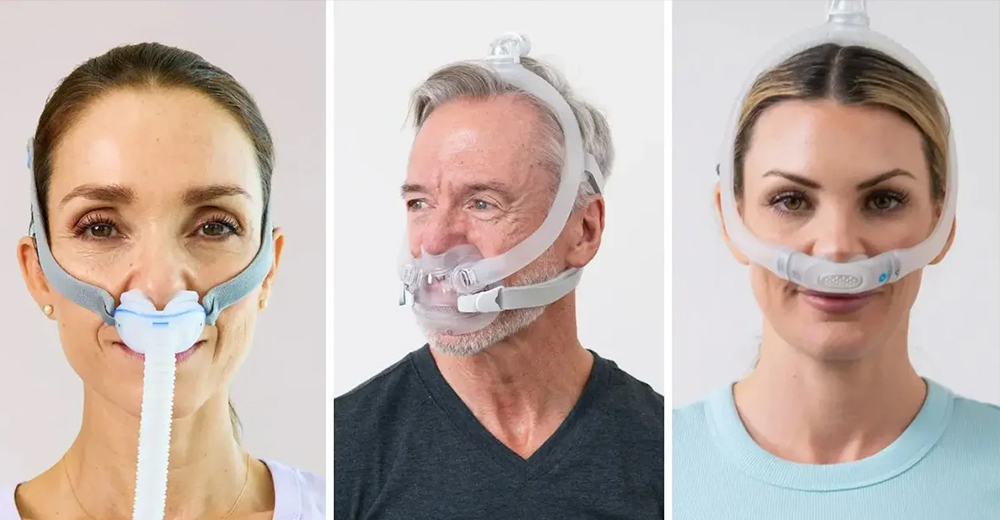
Types of CPAP/BiPAP Masks
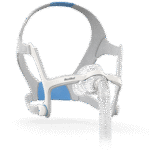
1. Nasal Mask
- Covers only the nose.
- Ideal for patients who breathe through their nose during sleep.
- Lighter and less bulky than full-face masks.
Best for: Mild to moderate sleep apnoea patients who prefer minimal coverage.
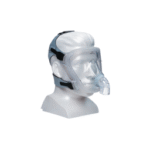
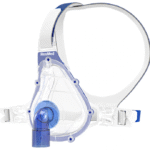
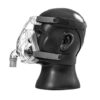
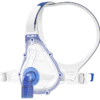
2. Full Face Mask
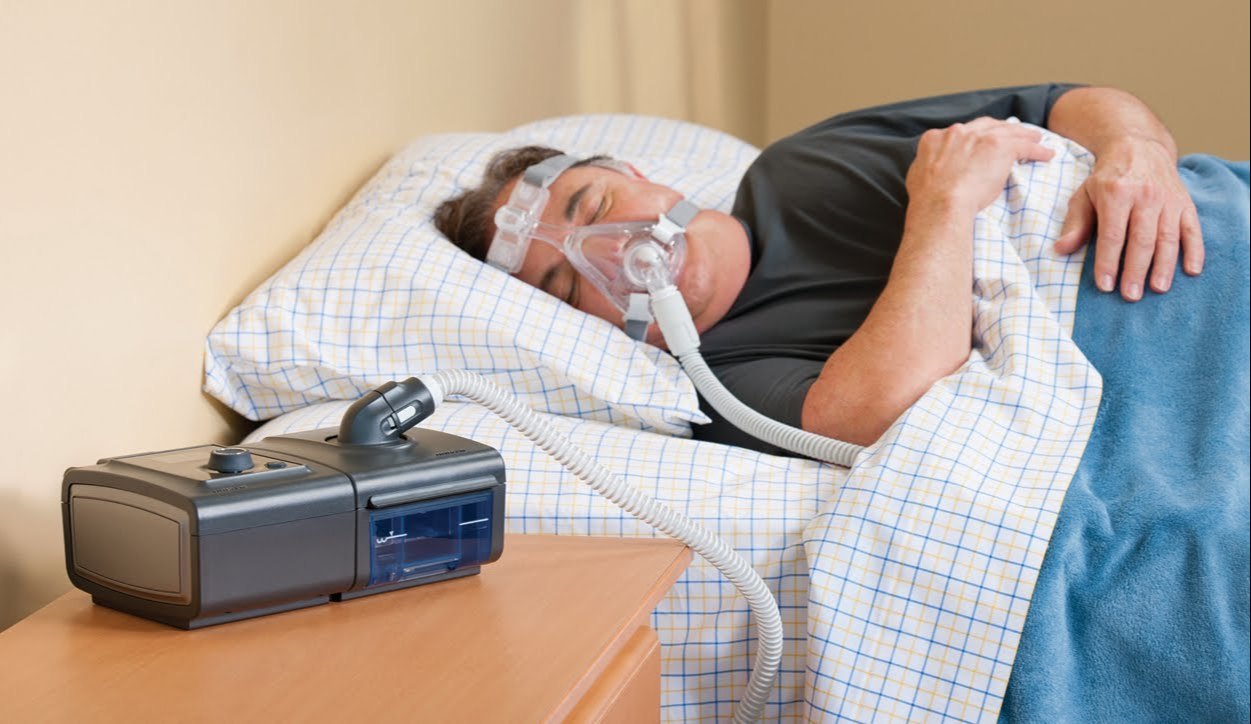
- Covers both the nose and mouth.
- Suitable for mouth-breathers or those with nasal blockages.
- Provides a secure seal for higher pressure settings.
Best for: Patients with severe sleep apnoea or those who breathe through their mouth.
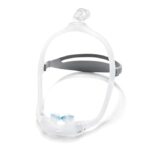
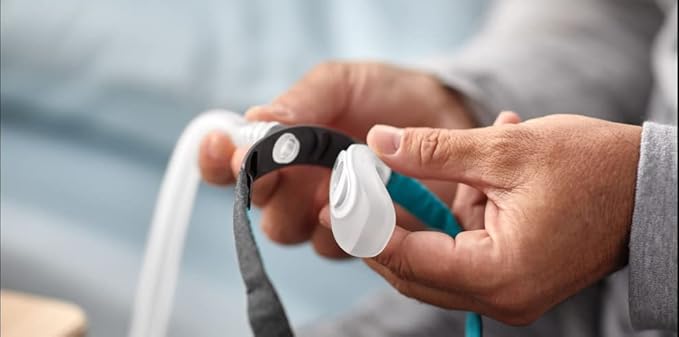
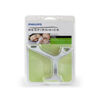
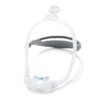
3. Nasal Pillow Mask
- Small cushions sit just inside the nostrils.
- Very lightweight and less intrusive.
- Provides a clear field of vision, useful for people who read or watch TV in bed.
Best for: Patients who feel claustrophobic with larger masks.
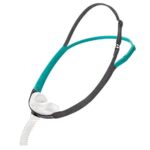
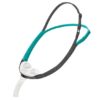
4. Nasal Gel Pillow Mask
- Similar to nasal pillows but with a soft gel cushion for extra comfort.
- Reduces skin irritation and enhances fit.
Best for: Sensitive skin users and those seeking maximum comfort.
Factors to Consider When Choosing a Mask
- Breathing Style: Do you breathe through your nose, mouth, or both?
- Sleep Habits: Side sleepers may prefer lighter masks, while restless sleepers need secure-fitting ones.
- Pressure Settings: Higher pressures may require a full-face mask to prevent leaks.
- Comfort: Look for soft straps, cushioned seals, and lightweight designs.
- Maintenance: Consider ease of cleaning and durability.
Tips for a Perfect Fit
- Ensure the mask is snug but not overly tight.
- Try different sizes most masks come in small, medium, and large.
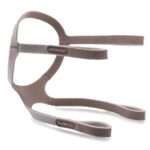
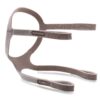
- Use headgear that distributes pressure evenly to avoid marks.
- Replace masks and cushions regularly to maintain hygiene and effectiveness.