


















A Complete Guide to Using Oxygen Concentrators at Home

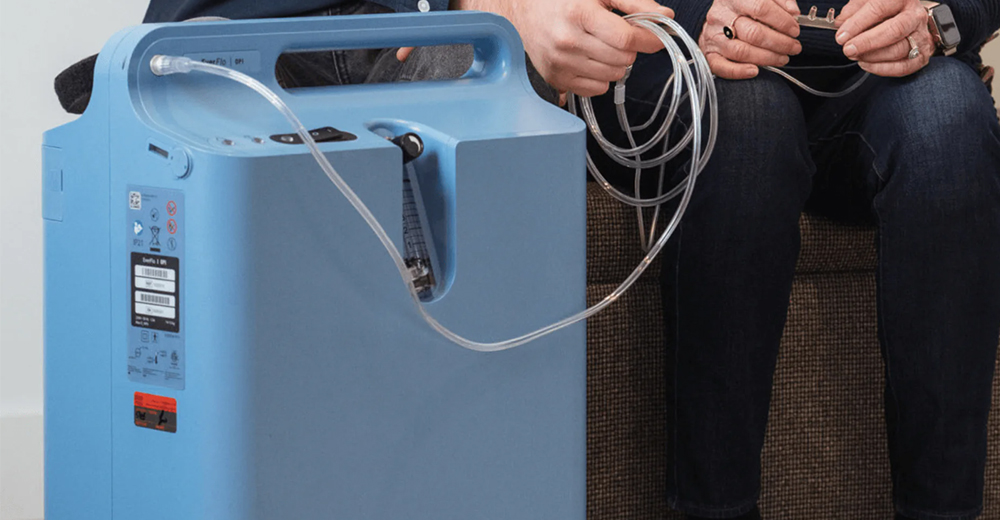
For individuals with respiratory conditions such as chronic obstructive pulmonary disease (COPD), asthma, or low oxygen levels, an oxygen concentrator can be a life-changing device. Unlike oxygen cylinders that need regular refilling, oxygen concentrators provide a continuous supply of medical-grade oxygen by drawing it directly from the surrounding air.
Using one at home not only improves quality of life but also ensures safety and independence for patients. Here’s everything you need to know about oxygen concentrators and how to use them correctly.
What is an Oxygen Concentrator?
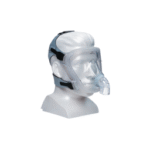
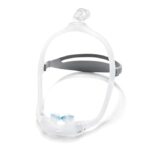
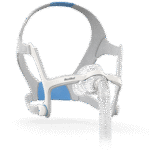
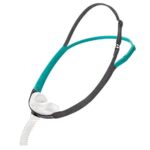
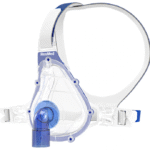
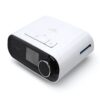
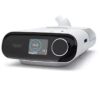
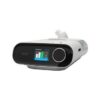
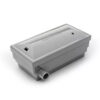
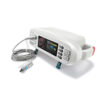
An oxygen concentrator is a medical device that filters nitrogen and other gases from the air, delivering concentrated oxygen to the user through a mask or nasal cannula. It runs on electricity, making it a convenient alternative to oxygen cylinders.
Types of Oxygen Concentrators:
- Stationary/Home Oxygen Concentrators: Designed for continuous use at home.
- Portable Oxygen Concentrators: Lightweight and battery-powered, suitable for travel and outdoor use.
Who Needs an Oxygen Concentrator?
Your doctor may recommend an oxygen concentrator if you have:
- Chronic Obstructive Pulmonary Disease (COPD).
- Severe asthma.
- Pulmonary fibrosis or interstitial lung disease.
- Sleep apnoea with oxygen desaturation.
- Any condition that lowers blood oxygen levels (hypoxaemia).
Benefits of Using Oxygen Concentrators at Home
- Continuous Oxygen Supply: Unlike cylinders, there’s no need for frequent refills.
- Improved Quality of Life: Helps reduce breathlessness, fatigue, and improves sleep.
- Safe and Cost-Effective: Long-term solution with less maintenance compared to cylinders.
- Mobility: Portable versions allow patients to travel without worrying about oxygen shortages.
How to Use an Oxygen Concentrator Safely
- Set Up in a Ventilated Space: Place the concentrator at least 1–2 feet away from walls or furniture.
- Check Power Supply: Ensure a stable electricity source or backup battery for portable units.
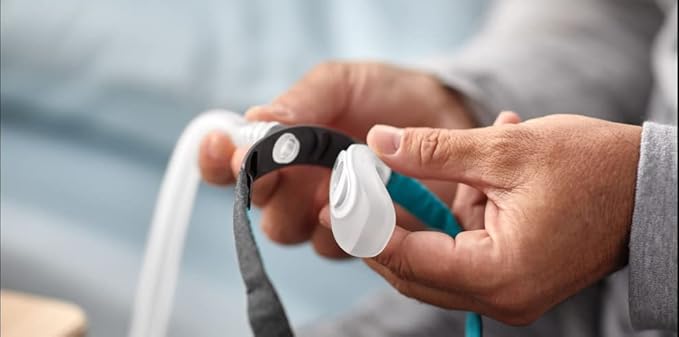
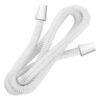
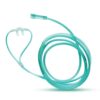
- Attach the Tubing: Connect the nasal cannula or mask securely.
- Set the Prescribed Flow Rate: Use the dial to adjust oxygen flow as directed by your doctor.
- Turn On the Machine: Wait for a few minutes to allow the device to stabilise before use.
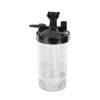
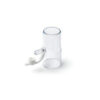
- Regular Cleaning: Wash nasal cannulas, tubing, and humidifier bottles regularly to prevent infections.
Safety Precautions
- Do not use near open flames or while smoking.
- Keep the machine away from water or damp areas.
- Ensure regular servicing for optimal performance.
- Always follow your doctor’s prescribed flow rate.
Oxygen Concentrator vs Oxygen Cylinder
| Feature | Oxygen Concentrator | Oxygen Cylinder |
|---|---|---|
| Refills | No refills required | Needs regular refilling |
| Portability | Portable models available | Limited mobility |
| Cost | One-time investment | Recurring refill expenses |
| Convenience | Continuous oxygen | Dependent on supply availability |
Final Thoughts
Oxygen concentrators are reliable, safe, and cost-effective solutions for patients requiring long-term oxygen therapy. Whether for daily home use or travel, they provide the freedom to live a healthier, more active life.
At Sonika Medi Mart, we offer both home and portable oxygen concentrators along with accessories like nasal cannulas, humidifiers, and oxygen filters to support your needs.